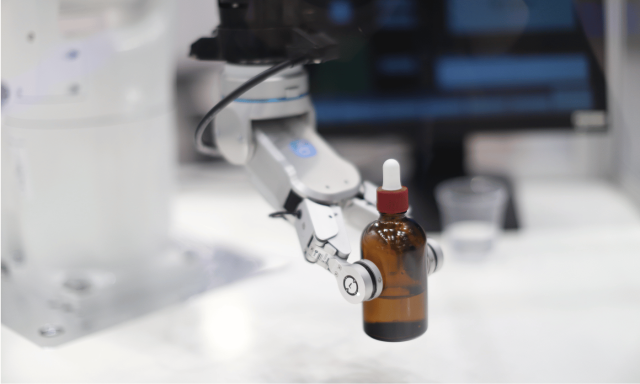
Four Requirements for Reliable Robot Manipulation
Read post
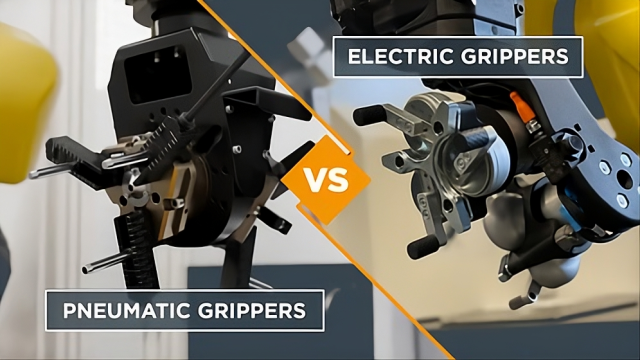
Manufacturers are under increasing pressure to produce more variants, reduce downtime, and maximize the return on every automation investment. While pneumatic grippers remain a proven solution for many repetitive applications, they can introduce additional infrastructure, maintenance, and changeover requirements as production becomes more flexible.
Estimated reading time: 6-7 minutes
Read post
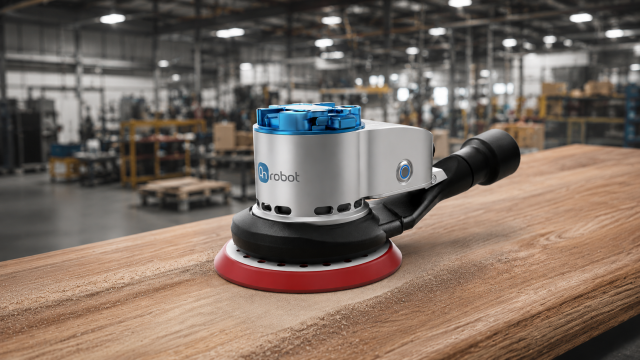
OnRobot Sander’s automated Grit Changer improves efficiency by providing automatic switching of sanding discs without the need for manual operator intervention. The Grit Changer is a simple, affordable accessory that is fully integrated into the OnRobot Sander software.
Read post
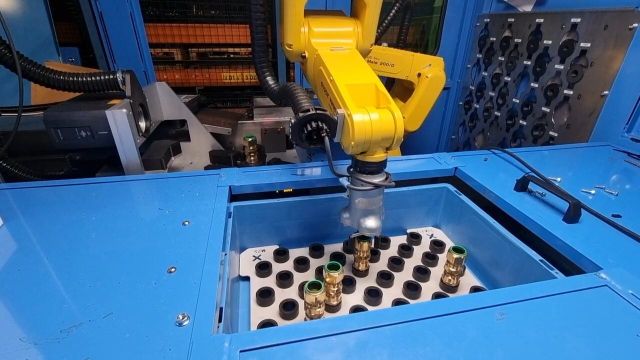
Article by James Taylor, CCO, OnRobot
Industrial automation is moving past old labels. We’re seeing a clear shift toward application-first thinking, where electric grippers are chosen.
Read post

Tim Rowley, Strategy Professor and Management Advisor, explains why automation using collaborative robot applications is key for manufacturers following the outbreak of COVID-19.
Read post

The automation of industrial production is progressing steadily. More and more companies are relying on machine support. This does not only change production processes: Working routines and job profiles are affected as well – in a positive sense.
Read post

The sense of touch is conquering automation. Thanks to haptic sensors, the areas of application of industrial robots can expand to use in unstructured environments, the handling of sensitive materials, or precision tasks. This is having far-reaching effe
Read post
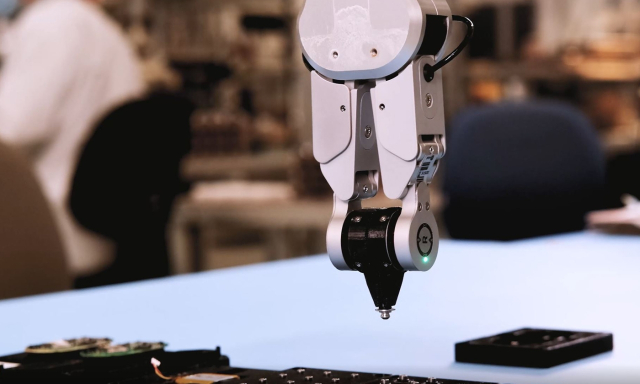
Automating high-mix low-volume manufacturing with collaborative robots and applications.
Read post

Each robot must be considered as an overall installation. Only as such can it add sustainable value for the end user.
Read post

In a global world, production companies are no longer simply in local competition. The pressure to find the optimum price/performance ratio is correspondingly rising. To achieve it, not only simple work steps but increasingly precision tasks must be autom
Read post
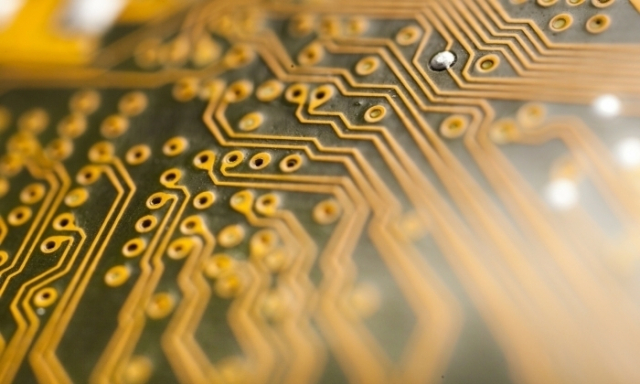
Ever since radio and television became an integral part of everyday life, perhaps even earlier, the assembly of circuit boards has been one of the standard electronic production processes. Parts of this process have been automated right from the start, bu
Read post
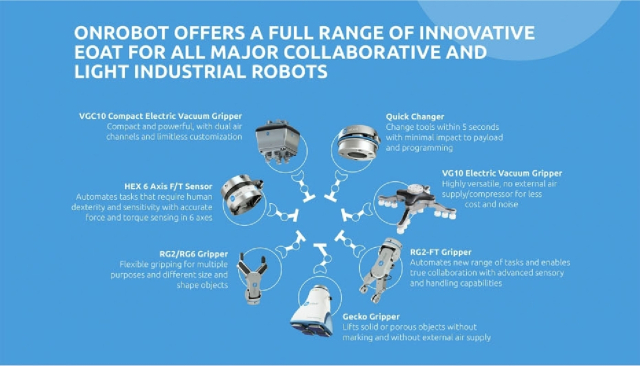
Understand the difference between traditional and collaborative applications. If you're looking into collaborative automation, EoAT is the key to optimizing your processes and growing your business
Read post