2.5D vision adds depth perception for stacked objects and workpieces at varying heights. Eyes supports detection and sorting where fixed 2D coordinates are not enough to guide the robot.

Take one picture of the work surface to calibrate the camera view, then one picture of each workpiece the system should detect. This keeps part teaching practical when products or processes change.
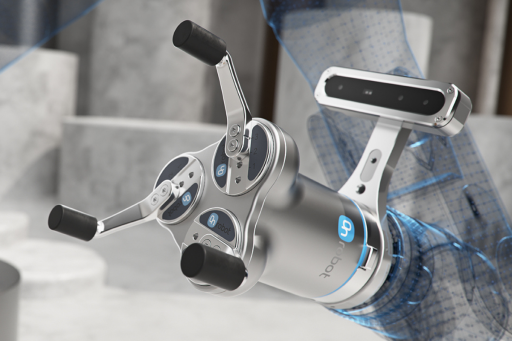
2.5D vision adds depth perception for stacked objects and workpieces at varying heights. Eyes supports detection and sorting where fixed 2D coordinates are not enough to guide the robot.
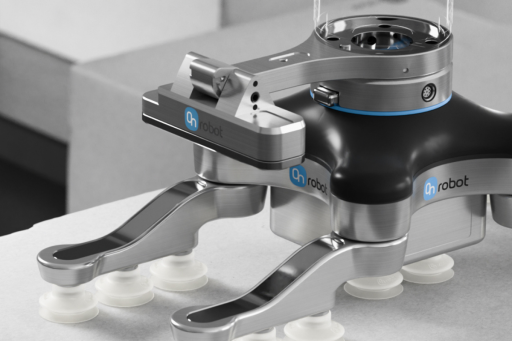
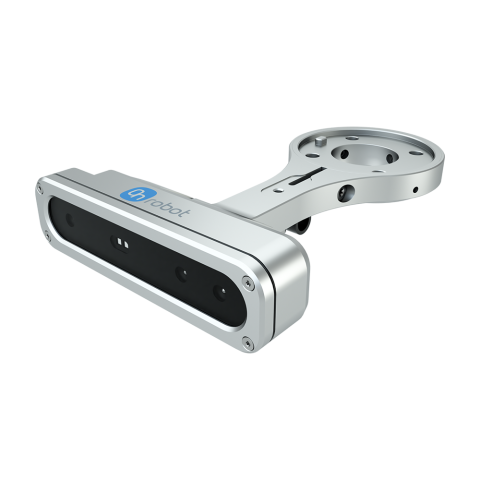
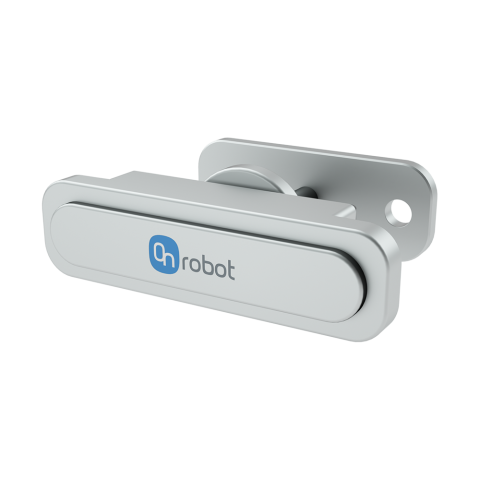
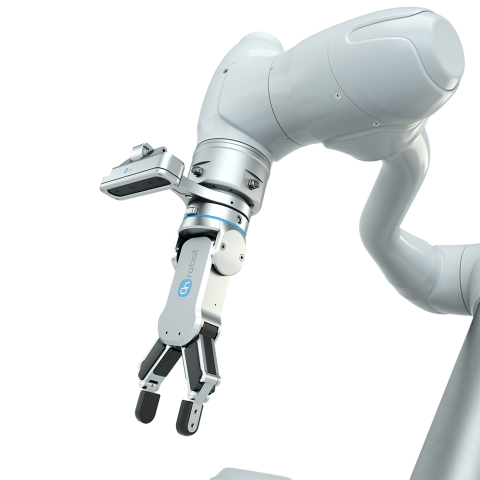
Mount Eyes on the robot or externally to fit the cell layout. Robot-mounted setups support 12 configurations around the flange and across three tilt orientations, making it easier to reposition vision as the application changes.

















Calibrate the camera view and teach each workpiece from a single image instead of building a complex vision routine.
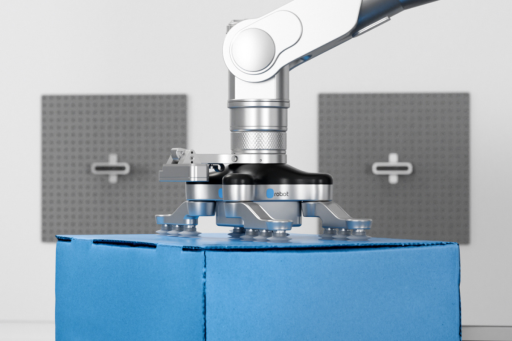
Use 2.5D depth perception to locate stacked objects and parts positioned at different heights within the working range.
Choose robot or external mounting, with multiple robot-mounted orientations available when the cell layout or process changes.
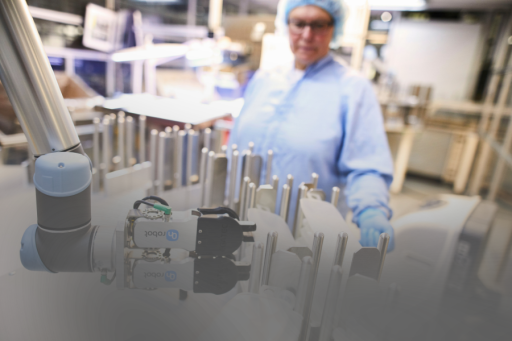
Support detection, sorting, inspection, and landmark applications across pick and place, machine tending, material handling, and quality tasks. Depth, color, and contour information help the system locate and inspect changing workpieces.
Tell us about your workpieces, backgrounds, height variation, lighting, mounting needs, robot, and cycle requirements. Our local expert can help assess the vision setup and deployment path.