SP1, SP3 and SP5 provide maximum payloads of 1 kg, 3 kg and 5 kg under suitable conditions. Actual capacity depends on surface roughness, stiffness, cleanliness, preload and how well the load is centred.

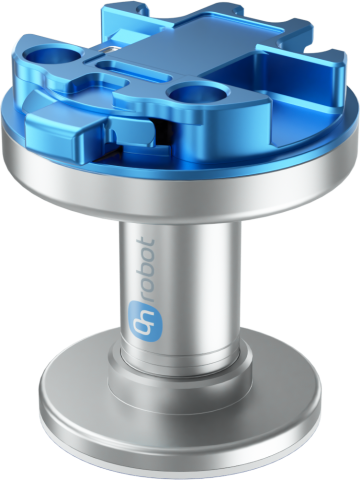
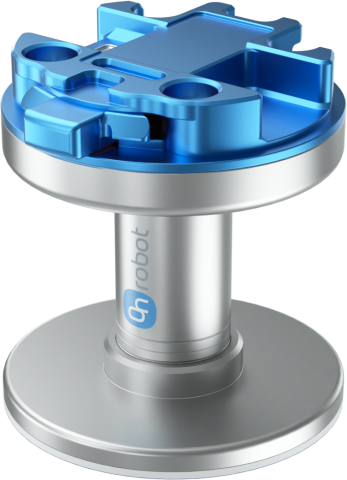
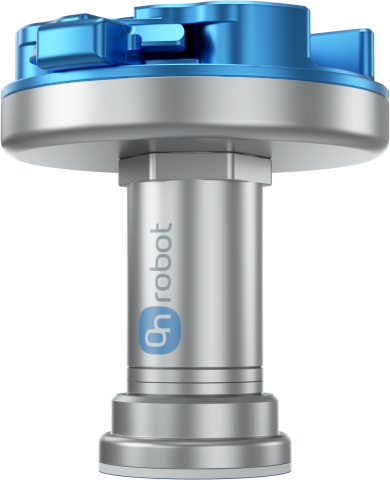
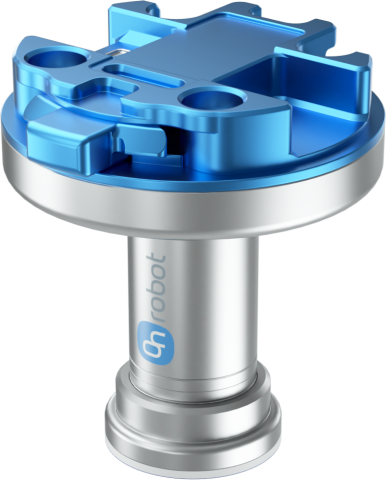
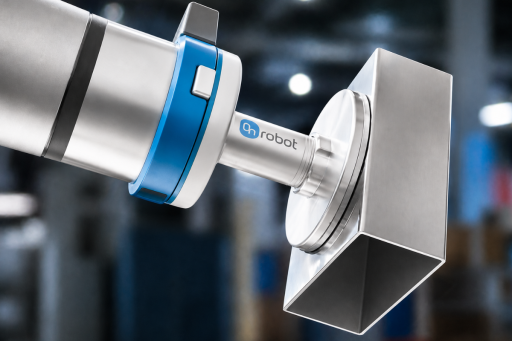
Gecko-inspired adhesive pads use van der Waals forces to grip suitable flat surfaces. The gripper can handle smooth, shiny and perforated workpieces without powered actuation or an airtight surface.
SP1, SP3 and SP5 provide maximum payloads of 1 kg, 3 kg and 5 kg under suitable conditions. Actual capacity depends on surface roughness, stiffness, cleanliness, preload and how well the load is centred.
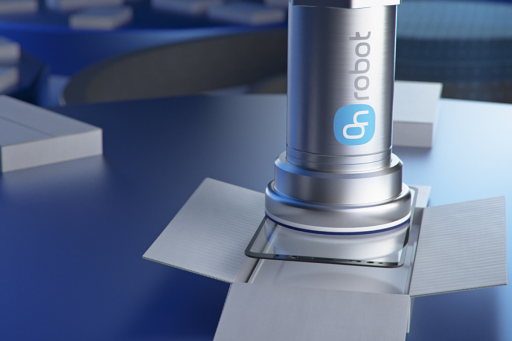
The gripper itself needs no electricity, compressed air or control cabling. The robot still requires a programmed path to contact the part, apply the correct preload, lift with the load centred and release through a peel movement or fixture.

















The Gecko Gripper works best on flat, sufficiently stiff, smooth, clean and dry surfaces. Dust, grease, oil and water interfere with adhesion, while rough or soft materials may not provide enough pad contact for a reliable pick.
The robot must make controlled contact and apply the preload required for the model and surface. Keep the workpiece centre of gravity aligned with the pad because off-centre loads and applied moments reduce available adhesion.
Pad wear depends on surface roughness and the working environment. Inspect the pads, clean them with isopropyl alcohol and a lint-free cloth when required, and replace worn pads according to application conditions.
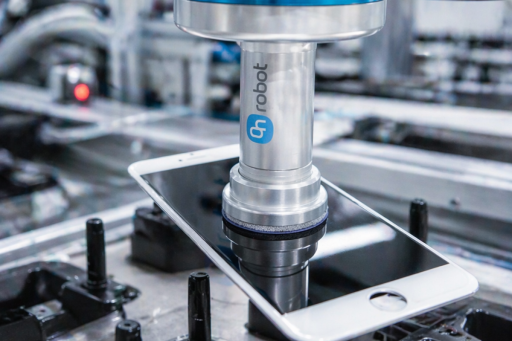
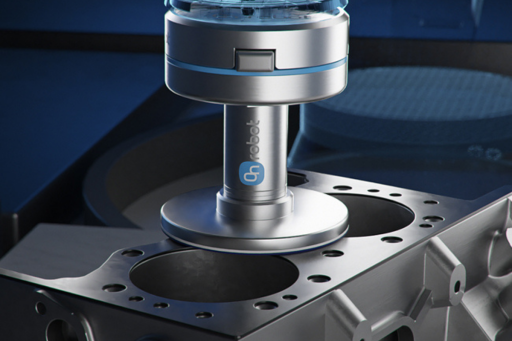
Handle suitable glass, polished metal, printed circuit boards, aluminium mesh, head gaskets and other flat or perforated parts without powered gripper actuation. Reliable operation depends on a programmed contact, preload, lift and peel-release sequence.
Tell us about the workpiece material, surface, stiffness, weight and process. Our local expert will help you assess the correct Gecko model and gripping sequence for your robot application.